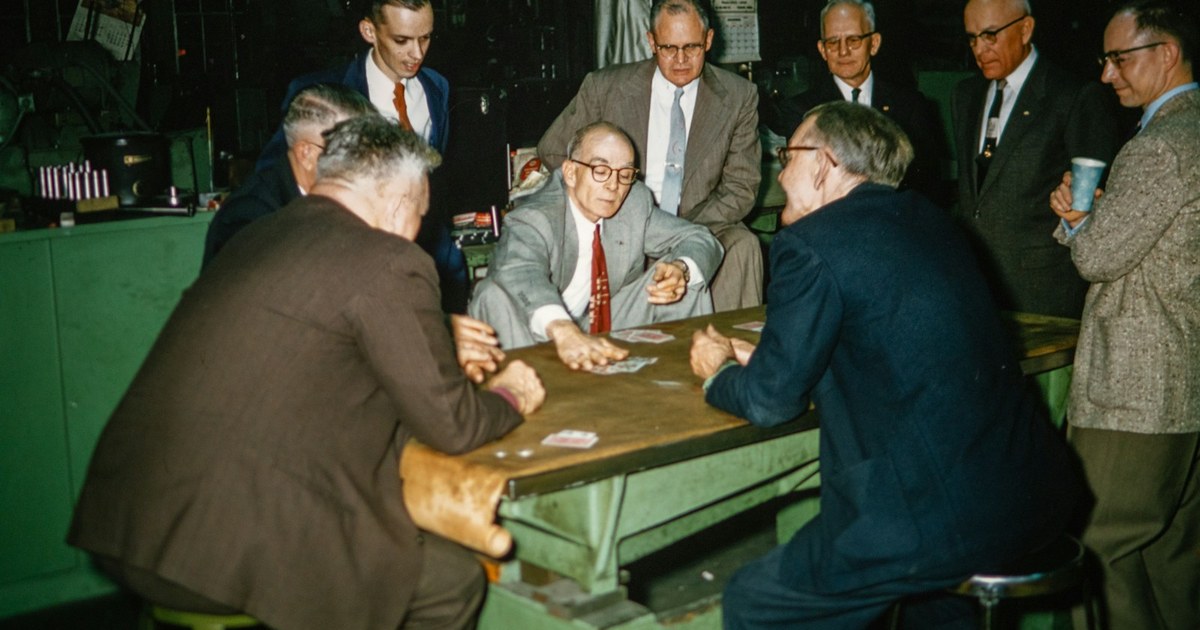
A bluff is a bet or raise made with a hand that is not expected to win at showdown, in order to make the opponent fold. Showdown is where remaining players reveal their cards to decide who takes the pot. A bluff wins only by ending the hand immediately; if the opponent matches the bet, the weak hand usually loses once cards are shown. Success depends entirely on the opponent giving up the pot, which is why the rules of a call matter: matching the bet keeps the hand alive.
What makes an action a bluff and what disqualifies it
The defining feature is the gap between hand strength and intent. You hold a hand not expected to win at showdown and bet or raise to force a fold. If the hand is strong enough to win on its own, the bet is for value: you want a weaker hand to call so the pot grows.
An action is also disqualified if no chips go in through a bet or raise. Checking passes the action without putting in chips, and calling matches someone else’s bet; neither applies pressure. A bluff needs an aggressive action that makes the opponent choose between risking chips and giving up the pot.
Betting while believing you have the best hand is not a bluff, even if the opponent turns out to hold better. A bluff requires recognising that the hand is currently inadequate at showdown. Your hand’s actual share of the pot, or equity, separates raw winning value from value that depends entirely on a fold.
Position, the order in which players act, shapes whether a bluff can work. Acting after the opponent shows their check or bet before you decide, which is why the position chart is worth reading alongside this definition. Bluffing without that information takes an unnecessary risk with a hand that cannot win at showdown.
A check-raise is one way to put in an aggressive action after checking, but the move is not automatically a bluff. A strong made hand can check-raise for value, a weak hand can try to make a better hand fold, and a drawing hand can semi-bluff. The sequence is explained in our guide to what a check-raise is; whether it counts as a bluff depends on why you raise and what you expect to happen if called.
The two ways to win: pure bluff versus semi-bluff
Bluffs split by whether the hand can improve on later streets. A pure bluff has no realistic chance of improving into a winning hand, so it has exactly one way to win: the opponent folds. If called, the hand is effectively dead at showdown, which makes a pure bluff the highest-risk form relative to hand strength.
A semi-bluff is a bet or raise with a hand that is not currently best but can improve. A street is a betting round such as the flop, turn or river, where community cards appear. A semi-bluff wins two ways: the opponent folds, or the hand improves. Drawing cards that have not yet made a hand can take the pot immediately, and still offer a chance to win at showdown if called.
That difference is a secondary safety net. A pure bluff is finished once called; a semi-bluff still has later cards to fall back on, so it relies less on an immediate fold. Two ways to win make it more resilient than one.
Which type is available depends on how many cards remain. On early streets many hands retain room to improve, so semi-bluffs are common. On the final betting round no cards remain, so every bluff is automatically pure and the only path left is a fold.
Choose a spot where the opponent can fold
A bluff cannot succeed in a vacuum. A player facing no bet cannot fold, and a player who never folds cannot be bluffed, so the opponent’s willingness to give up a hand is the precondition for the whole action, not a detail to check afterwards.
Against an opponent who calls regardless of hand strength, betting a hand that cannot win at showdown only feeds chips into a pot that will be lost when cards are shown. Folding must also be a live option: if the opponent has checked, there is no wager to respond to until you bet, and your bet is what forces the choice between matching it and surrendering the pot. If the situation or the player removes that choice, the bluff has no foundation.
Read the opponent before choosing a size. Observe whether they can lay down weak or medium hands under pressure; a player who habitually calls to the end is not a target. Naming the player who is supposed to fold is the check that keeps bluffs pointed at realistic opportunities.
A simple fold-equity example
Fold equity is the value a bet gets from the chance that an opponent folds before showdown.
Suppose the pot is 100 chips before your bet. You bet 50 with a pure bluff and assume you have no chance to win if called. If the opponent folds, you win the 100 already in the pot; if they call, you lose your 50-chip bet. The break-even fold frequency is 50 ÷ (100 + 50), or 33.3%. At that frequency, the folds pay for the times the bluff is called.
This is a one-street, chip-EV example: it ignores rake, future betting, ties and any chance to win at showdown. It is not a prediction that a particular opponent will fold one time in three. A larger bet into the same pot raises the fold frequency needed to break even; a smaller bet lowers it, while also applying less pressure.
A semi-bluff has a second way to win
For example, you hold A♠ Q♠ on a K♠ 7♦ 2♠ flop and believe your opponent has a king. You may be behind now, but betting can make that player fold; if called, a later spade can complete your flush. The bet has a fold route and a draw route, which makes it a semi-bluff.
You
The bet can win now if a king folds, or improve to a flush if called.
The draw is a chance, not a guarantee. Some completing cards may be unsafe against a particular range, and a turn call does not guarantee you will see the river without paying again. Before betting, ask both questions: which hands can fold now, and what will you do if this opponent calls?
Common misunderstandings
Incorrect: A bluff is meant to trick opponents into believing you are a master of mind games.
Correction: A bluff is a tactical decision: you bet a hand that cannot win at showdown to make the opponent fold. It rests on risk, pot size, position and the opponent’s capacity to fold, not theatrical mind games.
Incorrect: You can bluff any opponent at any time as long as your bet is big enough.
Correction: A player who never folds cannot be bluffed, however large the bet. Betting a weak hand against them only loses more chips at showdown.
Incorrect: Showing a successful bluff is always a good play because it intimidates the table.
Correction: Showing a bluff reveals your betting habits for free. Opponents can use that information to adjust to your later bets.
Incorrect: A semi-bluff is the same thing as a pure bluff because both hands are currently behind.
Correction: A pure bluff has one way to win, the opponent folds. A semi-bluff has two: the opponent folds, or the hand improves on a later street.
Incorrect: You can execute a bluff by checking when it is your turn to act.
Correction: A player facing no bet cannot fold, and checking puts no chips in to apply pressure. A bluff requires an active bet or raise to force a folding decision.
Before you bluff, name the player who should fold
Before putting chips in, name the specific opponent who is supposed to fold and say why they can fold right now. If you cannot name that player, or they have shown they never fold to bets, stop. Check that your target is facing your bet, has the option to fold, and has a style that allows them to release a hand. Running this check every time keeps bluffs pointed at realistic opportunities instead of aimless chip risk, and it takes only a moment before the chips go in.
Frequently asked questions
What is the main difference between a pure bluff and a semi-bluff?
A pure bluff wins only if the opponent folds. A semi-bluff is made with a hand that can improve, so it also wins if that improvement arrives on a later street.
Can you bluff a player who always calls every bet?
No. A player who never folds cannot be bluffed, and a weak hand taken to showdown against them loses the pot.
How does bet size affect how often a bluff needs to work?
The two move together. A larger bet risks more chips for the same pot, so it needs to succeed more often than a smaller bet to be worthwhile.
What happens if I show my bluff to the table after the hand?
It gives opponents information about your tendencies, which changes how they react to your future wagers.