
Playing cards and poker chips arranged on a green felt table

Run It Twice in Poker: Same EV, Smaller Swings

When the last cards are dealt twice after an all-in, the pot is divided between two board runouts. The split changes how the hand finishes, but with the same deck and pot it does not change either player’s expected share. Here is a turn example that makes the difference visible. Quick answer In a fixed five-out turn example, one river gives the drawing player an 11.36% expected share of the pot. Two rivers make a split more common, but the expected share remains 11.36%. Running it twice changes how the result is distributed, not the price or equity of the call that created the all-in. ...
November 23, 2026 · 6 min
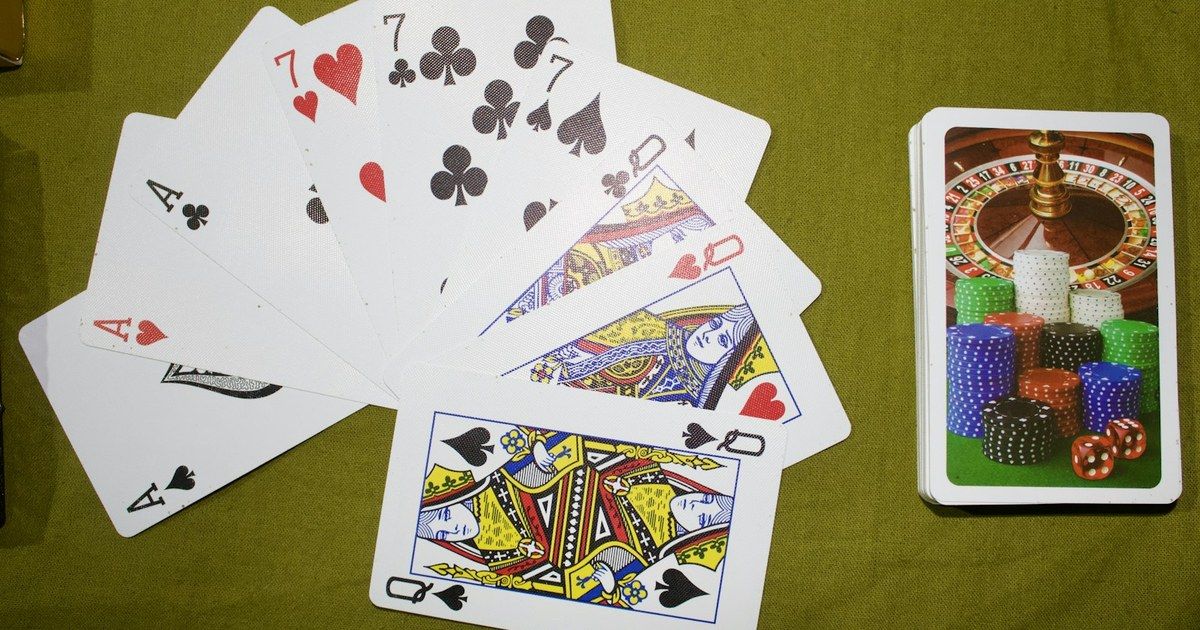
A fan of playing cards beside poker chips and a chip case

Why Are Outs Not the Same as Equity?

Outs count cards that complete a specified improvement. Equity measures your expected share of the pot at showdown against a stated opposing hand or range, including ties. They answer different questions: making a flush is an improvement, but whether that flush wins depends on the other cards. Start by naming the improvement An out is meaningful only after you say what it completes. A card might complete your flush, give you a pair, or improve an existing pair. Those are different targets, so a count without a target is incomplete. ...

November 11, 2026 · 5 min
Play Free Now Poker instantly in your browser - no download, free chips for new players First load may take a moment - thanks for your patience.
Contact Us